
How Can Sterling Homes Get Centralized Control Over Smart Systems?

It's a common story in Sterling, Virginia homes these days: you're trying to nail the perfect vibe, but that means bouncing between three different apps just for the lights, then another for the thermostat, and yet another to check who's at the front door. Sound familiar? This chopped-up approach to smart living isn't just a pain; it's often a big drain on wasted energy and a cause of daily frustration. Plenty of homeowners in places like Leesburg just want a simpler way to handle their increasingly complex digital homes. The good news? The answer to this app-juggling madness, and the path to truly smart living, is within reach for Sterling residents. Learn more about How To Travel With Peace Of Mind Leesburg Home Security.
What's Inside This Guide
- The Essential Sterling Smart Home Brief
- Bringing Order to Your Home's Tech Chaos
- A Day in the Life: Smart Living in Sterling
- Making a Smart Investment for Your Home
- What's Next for Smart Homes in Virginia?
- Why Centralized Control Suits Sterling So Well
- Your Path to a Smarter Home
- Comparing Smart Home Integration Approaches
- One App, Total Control: The main perk? Everything's in one easy interface. No more jumping between apps.
- Significant Energy Savings: Integrated thermostats and lighting can slash energy use by 10-20% annually, data shows.
- Enhanced Home Security: Centralized systems merge security cameras and locks for smarter monitoring and remote access.
- Customized Comfort: Pre-set scenes handle lights, sound, and climate for different activities or times of day, matching your routine.
- Professional Design is Key: An engineer-led approach guarantees compatibility and future growth, avoiding typical DIY headaches.
- Local Expertise Matters: Choosing NovaProHome means understanding Sterling homes and local rules.
Bringing Order to Your Home's Tech Chaos
Think about your typical morning. You wake up, maybe your smart coffee maker whirs to life. But then you’re tweaking the thermostat on one app, turning on kitchen lights with another, and perhaps checking security cameras on a third. This isn't exactly the effortless future we were promised, is it? Learn more about 7 Ways Novaprohome Simplifies Smart Security In Leesburg.
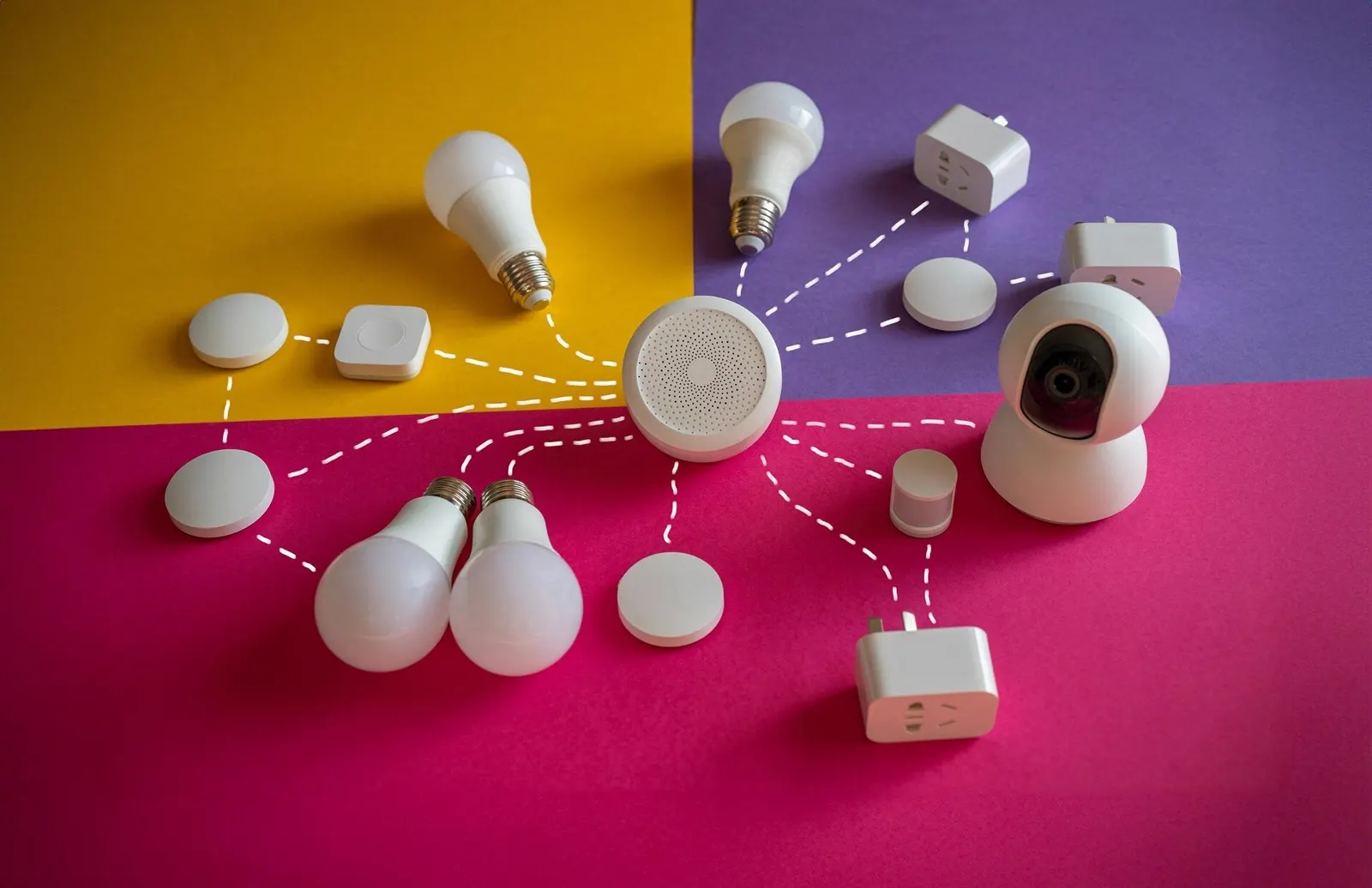
Whole home automation is about pulling all those scattered threads together. It’s about creating a smooth ecosystem where your smart thermostat, garage, audio, Wi-Fi, and AV systems chat with each other, all managed through one unified app. How does this actually work? Basically, a central control hub or software platform acts as the brain. It speaks the 'language' of all your different smart devices, whether they're from a Google Nest system or a Ring security setup. This means you can set up complex scenarios – like a "Good Morning" scene that slowly brightens the lights, adjusts the temperature, and even fires up your favorite playlist. All this happens with a single button press or a voice command. It's about being proactive, not just reacting to things. Learn more about Need Secure Access For Pet Sitters In Leesburg.
A Day in the Life: Smart Living in Sterling
Consider the busy lives of Sterling families, especially those commuting into D.C. or Loudoun County. Imagine leaving your house in the morning. With one tap on your phone, your smart home system arms the security system, turns off all non-essential lights, locks the doors, and adjusts the temperature to save energy. You won't have to stress about forgetting to switch off a light in the guest bathroom or leaving the garage door open. That's a huge relief. Learn more about Diy Vs Pro Home Security In One Loudoun Virginia.
Honestly, that daily peace of mind is worth a lot to many people, and it's why home automation services are gaining traction. Coming home is just as nice. As you pull up, geolocation can prompt your house to 'wake up.' Entryway and kitchen lights might gently come on, the temperature rises to your favorite level, and maybe your evening news even pops up. This isn't just convenient; it makes your home a truly responsive, welcoming place. And NovaProHome specializes in crafting this experience for Sterling residents. This level of integration, from heating and cooling to lighting and security, is precisely how you connect smart home devices into a single system. Learn more about Smart Security System Cost In One Loudoun Virginia.
"The real value of whole home automation in Sterling isn't just about controlling individual gadgets; it's about intelligently directing your entire living space. We've seen homeowners cut their energy bills by as much as 15% annually just by tweaking their smart thermostat schedules through a central system, especially during those hot Virginia summers," states a NovaProHome engineer.
Making a Smart Investment for Your Home
The cost for full home automation in Sterling, VA, can really jump around. It depends on how complex you want to get. Are you looking for basic smart lighting and thermostat control, or a full system with audio, video, advanced security, and even EV charger management? The initial price tag might seem hefty, but think about the long-term gains.
A recent study from the American Council for an Energy-Efficient Economy showed smart thermostats alone can save homeowners between 10% and 12% on heating costs and around 15% on cooling costs every year. That money adds up, fast. Factors affecting the final cost include how many devices you want, the type of tech you pick (wireless versus wired, proprietary versus open standards), and how tricky the installation is. For instance, hooking up older smart devices might be harder than a fresh install in a new build. A professional consultation will get you a clear, fixed written quote, which NovaProHome provides after a good assessment. This kind of transparency is critical when you're budgeting for a big home upgrade like this.
What's Next for Smart Homes in Virginia?
The smart home industry is always changing. We're seeing more focus on predictive analytics, where your home figures out your habits and adjusts proactively, instead of just reacting. Imagine your system knowing a heatwave is coming and pre-cooling your home a bit before you get back. Energy management keeps being a big deal, with smart systems optimizing usage based on utility rates and even working with solar panels. There's also a major push for better interoperability, making it easier to combine smart home devices into one system without all the compatibility headaches. For Sterling residents, this means an even more intuitive and efficient living experience very soon.
Another trend emerging is hyper-personalization. Future systems will offer even finer control, letting different people in the same household have their preferred settings activate as they move through rooms. This isn't just about lights and temperature; it includes personalized audio zones, specific news feeds on smart displays, and even custom security alerts. Honestly, most people overthink the tech and forget about the real goal: a home that adapts to them, not the other way around. Look for local smart home integrators in Northern Virginia who truly grasp this bigger picture.
Why Centralized Control Suits Sterling So Well
Sterling, with its mix of housing, from established single-family homes in places like Goose Creek Village to newer developments in Stone Ridge, offers cool chances for smart home integration. Many of these homes, especially those built in the last twenty years, already have some smart features. But they often suffer from the classic problem of separate systems and siloed apps. Centralized control neatly fixes this by bringing everything together under one easy interface. It makes smart living accessible and enjoyable for everyone, no matter how tech-savvy they are.
Plus, Sterling's increasingly busy professionals really value efficiency and convenience. Picture leaving for work, and with a single command or an automated schedule, your lights switch off, the thermostat adjusts to an energy-saving mode, doors lock, and the security system arms – all perfectly coordinated by a central hub. When you come home, your house anticipates your arrival, adjusting lighting, temperature, and even playing your favorite music. This level of automation, all managed through a cohesive system, turns daily chores into smooth transitions. It gives you more time for family, hobbies, or simply relaxing.
The local climate plays a part too. Sterling sees hot, humid summers and cold winters. A centralized smart home system can really optimize HVAC energy use, connecting with smart thermostats to learn patterns and respond better to outside conditions. This doesn't just make your home more comfortable; it also leads to significant energy savings. That's a benefit Sterling homeowners really appreciate, especially those wanting to lower their environmental footprint and utility bills.
Key Components of a Unified Smart Home System
To truly get that integrated, centralized control we're talking about for Sterling homes, several core pieces need to work together. Understanding these parts is crucial for anyone planning an upgrade or a new smart home setup.
The Central Hub or Controller
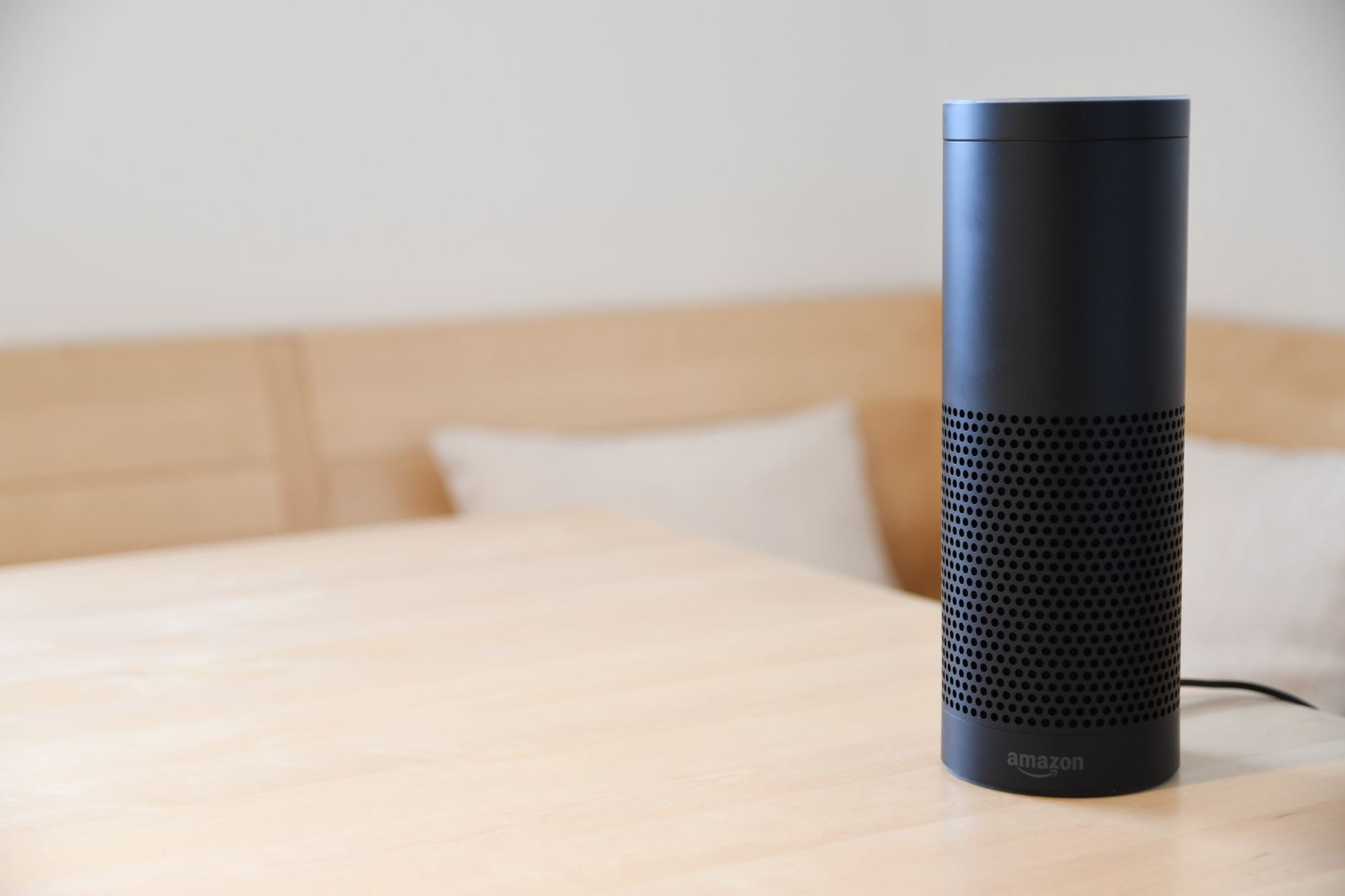
This thing is the brain of your smart home. Whether it's a dedicated hardware device, powerful software on a home server, or even a super-capable smart speaker, the central hub acts as the main communicator. It translates commands, runs routines, and manages how all your connected devices interact. Choosing a hub that supports many communication types (like Z-Wave, Zigbee, Wi-Fi, Bluetooth, and Matter) is vital for future-proofing your system and ensuring it works with different brands. Many homeowners in Sterling find that a professional installer can suggest the best hub for their specific needs, often leaning towards robust, commercial-grade solutions for ultimate reliability.
Network Infrastructure
A strong, stable home network forms the backbone of any smart home. You'll need Wi-Fi 6 (or even Wi-Fi 7) routers, mesh network systems, and maybe even wired Ethernet for devices that hog bandwidth. Without a dependable network, even the fanciest smart devices will lag or disconnect, ruining the smooth experience. Smart home integrators usually do network checks to ensure great coverage and performance all over the property. This helps get rid of dead spots and slow-downs common in bigger homes.
Sensors and Actuators
These are like your smart home's eyes, ears, and hands. Sensors pick up changes in the environment (motion, temperature, light, open doors/windows, water leaks, air quality) and send that data back to the central hub. Actuators, on the other hand, are the devices that actually do things (smart light switches, smart plugs, motorized blinds, smart locks, thermostat valves). The more diverse and cleverly placed your sensors and actuators, the more responsive and adaptive your smart home can become. For example, a motion sensor paired with a smart light switch can light up a hallway only when someone's there, while a temperature sensor can kick on your HVAC to keep different zones comfy.
User Interface and Control
While automation hums along in the background, people still need easy ways to use their system. This usually means a dedicated smart home app on phones or tablets, wall-mounted touchscreens, voice assistants (like Amazon Alexa or Google Assistant), and sometimes even old-school physical remotes. The great thing about a centralized system is that all these interfaces connect back to the same hub. This keeps things consistent and prevents fragmented control. A well-designed interface makes handling complex routines and checking your home's status incredibly straightforward, letting everyone in the house personalize their experience.
Integrating Security and Safety Features
Beyond just making things convenient and saving energy, a centralized smart home system offers huge benefits for security and safety. For Sterling residents, this integration means peace of mind. They know their property and loved ones are protected by smart, responsive technology.
Traditional security systems often stand alone, needing separate apps and monitoring. A unified smart home system brings all security components – like smart cameras, door/window sensors, motion detectors, smart locks, and even smart smoke/CO detectors – under one roof. This allows for powerful automation and quicker responses. For instance, if a smart door sensor catches a forced entry while you're out, the system can automatically: blast on all interior and exterior lights, blare a loud siren, send real-time alerts to your smartphone (with video from smart cameras), and even call a professional monitoring service if you subscribe. This layered response works much better than individual pieces acting alone.
Smart locks, connected to the central hub, let you lock/unlock remotely, give temporary access codes to guests or service people, and get instant updates on who's entering and leaving your home. This level of control is super valuable for busy families or those who travel a lot, offering both flexibility and better security. What's more, smart lighting can be set to make it look like someone's home when you're away, scaring off potential intruders. This subtle but effective security measure works with other sensors to create a truly strong defense.
Safety features also get a big boost from integration. Smart smoke and carbon monoxide detectors won't just loudly alert you; they can also send instant notifications to your phone, automatically unlock doors for emergencies, and even shut down your HVAC system to stop smoke from spreading. Water leak sensors placed under sinks, near water heaters, or in basements can spot leaks early, triggering alerts and possibly shutting off the main water supply to prevent expensive damage. This proactive approach to safety is a huge upgrade from typical stand-alone devices, creating a complete protective shield for your home and family in Sterling.
Ready to engineer your smart home?
Start with a free 20-minute discovery call. No pressure, no sales script — just a plan.