

3 Ways to Conceal Wires From Your Wall-Mounted Cameras

Here's everything you need to know — fast. Tangled exterior cabling looks awful on a pristine facade near One Loudoun, and exposed wiring leaves your surveillance lines vulnerable to weather damage or deliberate tampering.
Homeowners in Goose Creek Village, Virginia routinely face the frustration of amateur setups: messy power leads dangling down siding, weak transformers dropping video feeds, and devices sitting idle in boxes while waiting for multiple deliveries.
Investing in whole home security cameras and alarms should mean instant protection, not an endless weekend project wrestling with drill bits and drywall anchors. NovaProHome solves the entire chain by engineering clean, hidden wire pathways that keep your exterior clean and your hardware powered around the clock.
What's Inside This Guide
- Fast Facts on Clean Camera Cabling
- Engineered Pathways: How Pros Hide Security Wiring
- Common Misconceptions About Smart Home Cable Routing
- The Professional Standard in Goose Creek Village
- Cabling Trade Secrets for Goose Creek Village Homes
- Real Advantages of Hardwired Architectural Concealment
- Long-Term Maintenance and System Longevity
- Installation Traps to Avoid
- The Definitive Take on Hardware Protection
- Professional Electrician Setup vs. DIY Surface Kits
- Related Hardware and Technical Disciplines
- Direct Answers for Local Homeowners
- Meet the Electrical Engineering Team
- Book Your Clean Installation Assessment
- Hidden In-Wall Drops: Fishing lines through interior cavities protects cables from UV decay and physical tampering.
- Attic and Soffit Infiltration: Tucking low-voltage lines along structural joists eliminates all visible external conduit.
- Surface Raceway Integration: When masonry prevents internal drops, painted channel guides blend directly into siding profiles.
- Constant Low Voltage: Correct transformer sizing eliminates camera dropouts and intermittent Wi-Fi resets.
- Zero DIY Confusion: Skip shopping across five websites by choosing a unified team to supply, mount, and configure hardware.
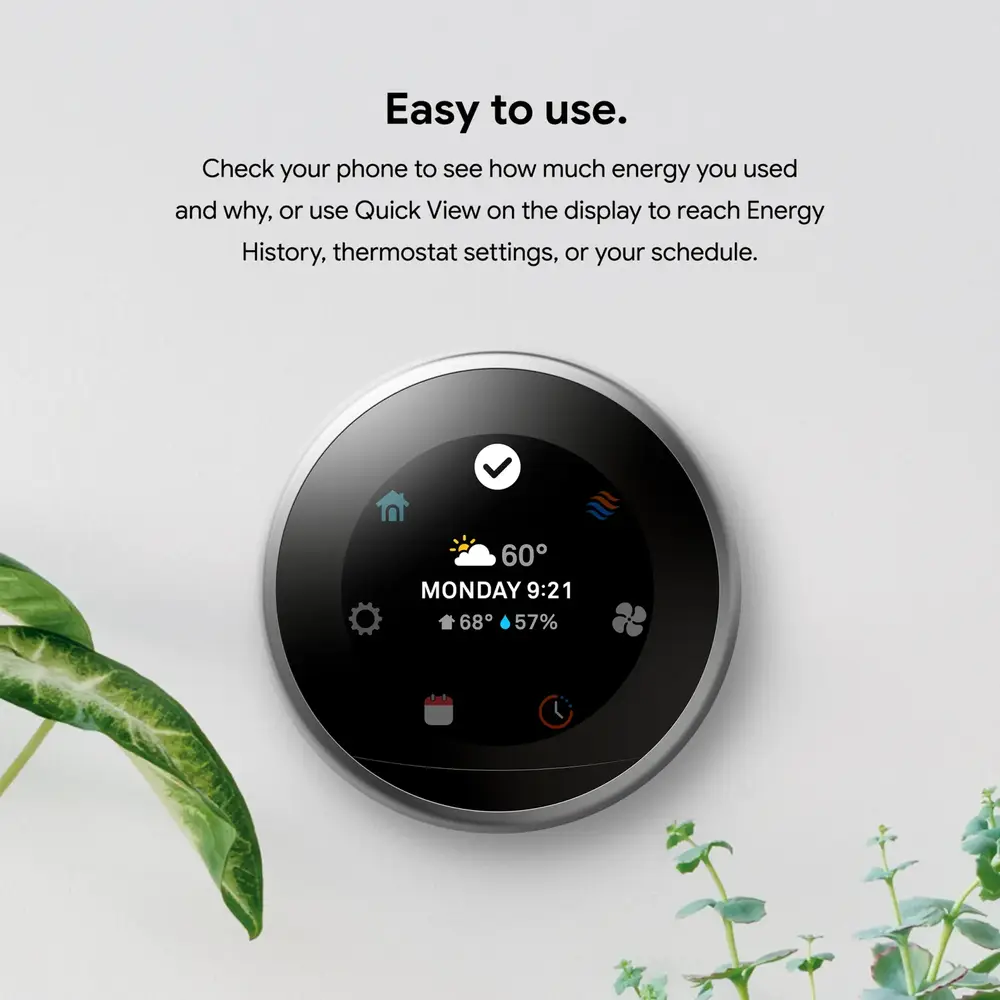
Engineered Pathways: How Pros Hide Security Wiring
Hiding wires correctly requires looking at your house as an electrical system rather than just drilling blind holes. When you want clean architectural lines in Goose Creek Village, our primary method involves running in-wall drops through exterior soffits directly down the interior wall framing. This approach eliminates ugly external plastic tracks completely.
By dropping low-voltage lines behind drywall or through attic insulation, your wall-mounted security cameras get constant power without a single inch of exposed cord.
For exterior garage entries or brick facades where internal cavities are sealed, we deploy color-matched slim architectural raceways that mirror mortar joints or trim edges. According to the National Electrical Code (NFPA 70), any low-voltage penetration through building envelopes must maintain fire-stop integrity and proper vapor sealing to avoid water intrusion.
Our licensed electricians ensure that every exterior hole is sealed with industrial-grade silicone and grommets. You can read our A Pre Installation Checklist For Your New Smart Home System Day 22 to understand how structural layout dictates clean cable concealment.
The third method leverages existing doorbell or junction infrastructure. Many homeowners struggle with underpowered chimes or dead lines when trying to add modern video units. We tap into existing pathways, pull new multi-conductor lines, and upgrade chime transformers to eliminate power drops entirely. That means you bypass the headaches of low-voltage dropouts, flickering video feeds, and dead recording loops.
Common Misconceptions About Smart Home Cable Routing
A widespread myth is that "wireless" cameras don't need wires. Battery-powered units sound convenient until you are climbing a twenty-foot ladder in freezing January slush to recharge them every four weeks. In our experience, true security demands continuous power. Running permanent cabling behind walls transforms an annoying maintenance chore into a stable, maintenance-free asset that records 24/7 without sleep delays.
Another common belief is that hiding cables requires tearing down whole sheets of interior drywall. That is rarely true. Skilled electricians use flexible fiberglass fish sticks, borescope inspection cameras, and existing structural chaseways to pull lines through tight spaces with zero visible wall patching required.
For a look at how complex retrofits work in nearby neighborhoods, see our breakdown on how Ashburn Homeowners How Novaprohome Solved Nest Installation Headaches with zero cosmetic destruction.
Finally, many people assume any low-voltage wire can be routed anywhere. In reality, industry data indicates that running unrated cords through return air plenums or wall cavities poses real safety hazards and can violate Loudoun County residential building codes. Using CL2 or CL3 rated in-wall cabling ensures both safety and insurance compliance.
"Over 85% of camera connection failures we inspect in Goose Creek Village trace back to pinch-points in exposed exterior wiring or underpowered transformer circuits rather than defective camera hardware."
Cabling Trade Secrets for Goose Creek Village Homes
Here are crucial technical tips our technicians rely on every day across the local community:
- Map Attic Runs First: Always enter the attic space above the camera location to locate top plates before drilling any exterior facade.
- Step-Up Your Transformer: If you are running high-resolution doorbells, step up to a 16V/30VA or 24V/40VA transformer to prevent brownouts during night vision operation.
- Drip Loops Are Non-Negotiable: Always create a gentle downward dip in the exterior wire right before it enters the siding, forcing rainwater to drip off harmlessly outside.
- Fish Along Stud Faces: Keeping your low-voltage lines stapled at least two inches away from high-voltage 120V Romex lines prevents electromagnetic video hum and Wi-Fi signal interference.
- Label Every Junction: Clearly label every camera line at the central media cabinet or breaker box so future troubleshooting takes seconds rather than hours.
- Check out regional techniques: Homeowners can see how we tackle dead zones by reading 7 Ways Novaprohome Wires Nest Cams For Arcola S Dead Spots for tough architectural layouts.
Real Advantages of Hardwired Architectural Concealment
Concealing camera wiring isn't merely about aesthetics; it changes how your security hardware operates day in and day out.
- Total Tamper Resistance: Intruders cannot simply slice exposed cables or pull cords from outdoor wall sockets when wires are buried deep within structural framing.
- Pristine Curb Appeal: Seamless conduit-free installations preserve the exterior finish and property value of your Goose Creek Village investment.
- Uninterrupted Video Streams: Direct hardwiring eliminates the random offline drops caused by loose exterior USB connectors or battery drain during cold winter snaps.
- Zero Ladder Climbing: Eliminate the hassle of taking cameras down every month to plug them into wall outlets for a recharge.
- Code Compliance & Safety: In-wall rated jackets protect against internal electrical shorts, fire spread, and rodent damage inside crawlspaces.
- Higher Real Estate Value: Future buyers appreciate a fully integrated, turn-key smart security infrastructure that requires zero cleanup work.
- Unified System Stability: Explore how our approach simplifies life in our article detailing how 7 Ways Novaprohome Simplifies Smart Security In Leesburg with centralized management.
Long-Term Maintenance and System Longevity
Properly concealed security wiring should easily last 15 to 20 years without intervention. But even the best installations benefit from basic periodic checks. Every autumn, take two minutes to inspect exterior silicone entry seals to verify that winter freezes have not cracked the caulk around your camera bases.
Temperature swings across Virginia can stress exterior plastics, so keeping seals intact protects both the wiring and your wall sheathing.
Internally, ensure that your power supply modules and central network switches remain dust-free. If your cameras run on Power over Ethernet (PoE) or dedicated 24V step-down transformers, ensure the central hub has adequate ventilation. To see what a comprehensive long-term installation includes, review South Riding What S Included In Novaprohome Ring System Installs for complete wiring specs.

Installation Traps to Avoid
The single biggest mistake we encounter is homeowners running standard appliance power extension cords through drilled exterior walls. Standard flexible cords are not fire-rated for interior wall cavities according to the U.S. Consumer Product Safety Commission, which warns against running cords through walls where trapped heat can spark insulation fires.
Another frequent trap is pinching thin data or power cables behind metal camera mounting plates. When screws are driven home tightly against bare brick or siding, the insulation shears, causing short circuits that burn out the camera motherboard.
Take a moment to read about how to steer clear of these blunders in our guide on Smart Home Wiring South Riding Avoid These Installation Errors. Avoid drilling through exterior headers or structural load-bearing beams without knowing what lies behind the wood.
The Definitive Take on Hardware Protection
Securing your property shouldn't create an eyesore on your exterior walls or require a part-time job maintaining batteries. Concealing camera wiring through professional in-wall routing delivers the cleanest look, the highest tamper resistance, and the continuous power required for genuine home safety.
For residents near One Loudoun and the broader Goose Creek Village area, doing it right the first time eliminates years of annoying connectivity headaches and protects your architectural investment.
Professional Electrician Setup vs. DIY Surface Kits
Choosing between an engineered concealed installation and a do-it-yourself stick-on kit comes down to longevity, safety, and performance. Here is how they stack up directly:
| Feature / Attribute | NovaProHome Concealed Wiring | Standard DIY Surface Track Kits |
|---|---|---|
| Visible Cabling | 100% hidden inside wall cavities or framing | External plastic raceways stuck to siding |
| Electrical Safety | Licensed electrician installed, NEC CL2/CL3 code compliant | Risk of pinching, water ingress, or improper plug runs |
| Power Reliability | Hardwired continuous low-voltage or PoE supply | Battery dependency or loose external adapters |
| Tamper Vulnerability | Zero exposed cables for intruders to cut | Easily reachable and snipped with hand shears |
| Weather Resistance | Industrial vapor-sealed silicone and wall boots | Adhesive strips fail in freezing Virginia winters |
Related Hardware and Technical Disciplines
Clean smart home integration spans multiple electrical and networking concepts:
- Power over Ethernet (PoE): A networking standard that delivers both high-speed data and DC electrical operating power over a single Cat6 cable.
- Class 2 Power-Limited Circuits: Wiring designed under electrical code to limit fire shock hazards through engineered current ceilings.
- Low-Voltage Chime Transformers: Magnetic step-down devices that convert 120V household current into safe 16V to 24V power for video endpoints.
- Fish Tape & Borescopes: Specialized non-conductive mechanical tools used by electricians to navigate wiring through wall cavities without cutting drywall.
- Vapor Barrier Grommets: Airtight exterior fittings designed to preserve your home envelope insulation while permitting low-voltage cabling pass-through.
- Network Video Recorders (NVR): Centralized high-capacity storage servers that record raw digital surveillance streams directly from hardwired lines.
Direct Answers for Local Homeowners
Can you run security camera wires through my attic without cutting drywall?
Yes. In the majority of two-story homes in Goose Creek Village, we access exterior soffits directly through the attic knee-walls. This allows us to drop wires vertically through existing interior framing cavities with zero drywall cutting or repainting needed.
Why won't my camera stay online even though it is plugged in?
Most connection drops on hardwired or plug-in cameras stem from inadequate voltage or weak Wi-Fi signal passing through brick exterior walls. Upgrading an aging low-voltage transformer or switching the camera to a hardwired data connection eliminates intermittent rebooting instantly.
Are plastic exterior cord covers safe for outdoor use?
While plastic stick-on surface raceways are common in retail kits, they degrade quickly under direct UV sunlight and easily detach during freezing Virginia winters. We recommend internal cavity drops or heavy-duty, UV-rated, painted aluminum conduits securely fastened to building trim.
What is the difference between battery cameras and hardwired setups?
Battery-powered cameras sleep until motion triggers them, which often causes a two-to-three-second recording lag that misses license plates or fast-moving individuals. Hardwired cameras maintain continuous power, enabling true 24/7 video capture without delay or cold-weather failure.
Can an electrician install smart security gear bought elsewhere?
Yes, but buying hardware across multiple online vendors often causes annoying compatibility headaches and missing adapters. Working with an engineer-led installer ensures you get the exact matching transformers, mounting brackets, and cabling delivered and installed during a single appointment.
How do you hide doorbell wires if my existing chime is broken?
We trace the existing wiring back to your chime box and transformer, repair broken connections, or pull a fresh low-voltage line through the frame. If you want to see our full-scope installation options, learn more in our article Can Novaprohome Install Your Ring Doorbell Camera And Alarm In your neighborhood.
Does concealing wires lower my homeowner insurance premium?
Hardwired, professionally installed surveillance and alarm systems qualify for larger insurance discounts compared to unmonitored DIY battery devices. Check with your insurance carrier regarding credits for professionally installed, continuously powered systems.
Book Your Clean Installation Assessment
Stop settling for messy cords dangling down your front porch or cameras that drop offline whenever temperatures dip. Take the smart step to protect your home with clean, architecturally concealed cabling that looks factory-built into your exterior.
If you are near One Loudoun or anywhere in the Goose Creek Village community, reach out to an electrical engineering professional who treats your home with precision.
You can easily get in touch with the NovaProHome team today to schedule your comprehensive on-site electrical assessment and get a fixed written quote with every permit handled properly from day one.
Ready to engineer your smart home?
Start with a free 20-minute discovery call. No pressure, no sales script — just a plan.